







Search Results for: Pouring Technique

Pour-Over Coffee: Water Pouring Technique vs. Coffee Beans—Which Matters More? An In-Depth Analysis from Extraction Principles to Front Street Coffee in Practice
In an era where self-media tutorials are everywhere, beginners often blame their brewing technique when coffee doesn't taste good. But can technique really turn something mediocre into something magical? Starting from the dissolution patterns of flavor compounds, this article analyzes how the alternation of washing and soaking during pouring affects extraction efficiency, and uses the comparison between the three-pour method and the one-pour method as an example to reveal the source of differences in sweetness. At the same time, through blind tasting experiments, Front Street Coffee shows that what ultimately determines the ceiling of a cup of coffee is still the beans themselves. Technique can only add the finishing touch; choosing the right beans is the key. [more…]
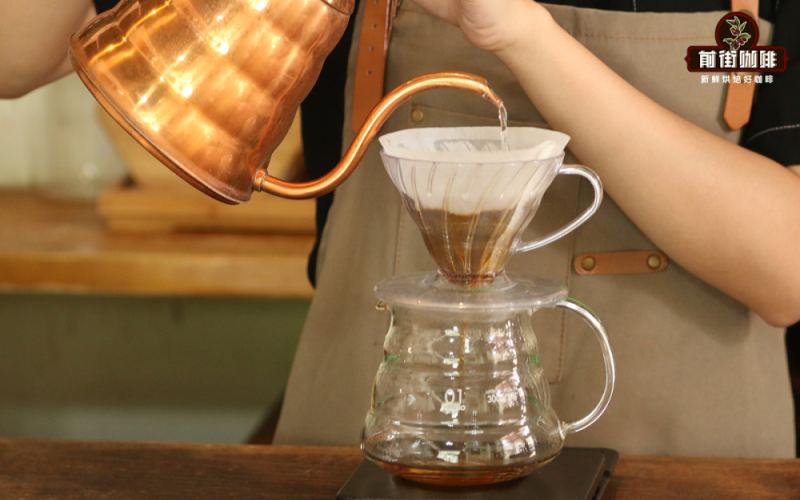
An In-Depth Analysis of Pour-Over Coffee Pouring Techniques: How Washing and Immersion Affect Single-Origin Extraction
The joy of pour-over coffee lies in its many variables, and the pouring technique is precisely the most difficult part to control. Front Street rarely emphasizes technique in its daily brewing sharing, because technique itself is full of uncertainty—if you do not understand the extraction logic behind it, the more you master, the more likely your results will become inconsistent. This article will focus on the two mechanisms in the pouring process—flush extraction and immersion extraction—analyze how the number of pouring stages affects the extraction yield and total time, and highlight why circular pouring can effectively reduce turbulence and improve flushing efficiency. Whether you are a beginner just getting into pour-over or an enthusiast hoping to refine your skills, understanding these underlying principles can help you brew a delicious single-origin coffee with greater ease. [more…]
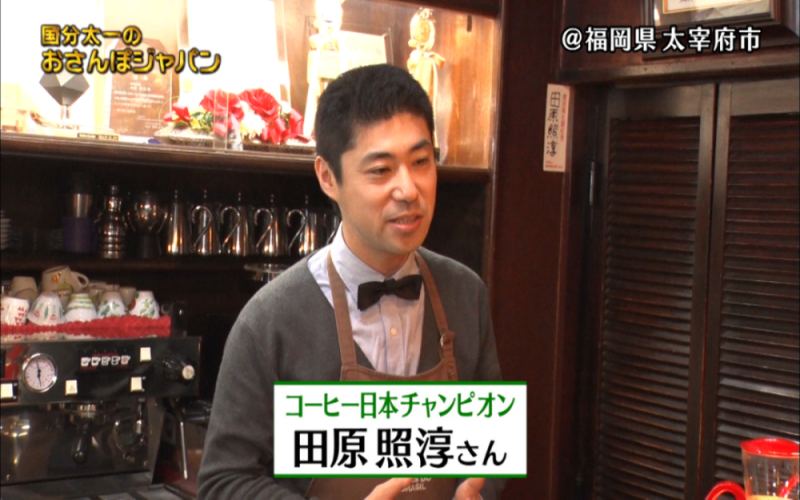
A Complete Guide to the Japanese Pour-Over Zigzag Technique: From Parameters to Flannel Extraction Tips for Delicious Coffee
In the world of pour-over coffee, the Japanese school has always held a unique position. Besides the common circular pouring, there is another technique called the "zigzag pouring method." It is not a misreading of "の字" (the character "no"), but rather a unique method created by Mr. Teruharu Tahara of the long-established Japanese coffee shop Rankan. Through repeated research, Front Street Coffee has found that this "zigzag" pouring method can produce a completely different extraction effect. This article will break down the operating parameters of the zigzag pouring method in detail, including water temperature, grind size, coffee-to-water ratio, and pouring rhythm, and extend to the application of flannel filter cloth, teaching you how to make a delicious cup of flannel pour-over. Whether you are a beginner just getting into pour-over or a seasoned enthusiast looking to refine your technique, you can gain practical reference from it. [more…]
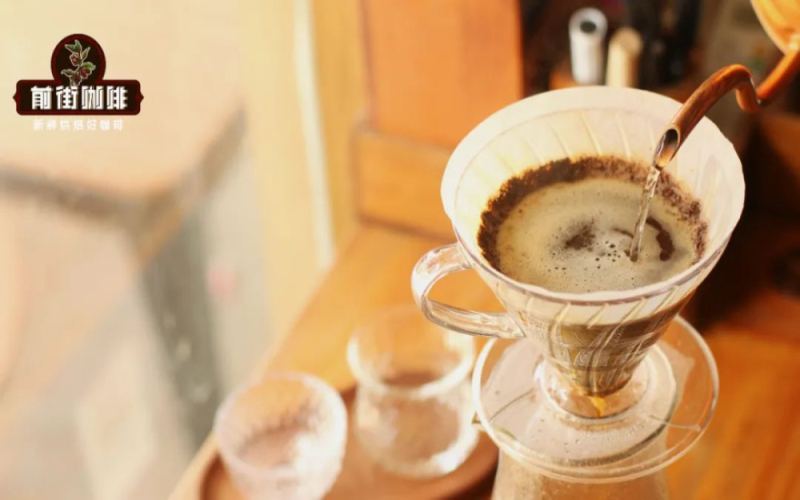
How to brew with the one-pour tornado pour-over method? A full breakdown of pouring technique, parameter settings, and flavor performance
In the exploration of pour-over coffee, enthusiasts always manage to create eye-catching new brewing methods. Today, Front Street Coffee is going to try the "one-pour tornado brewing," an aggressive technique that combines the traditional one-pour method with cyclone-style pouring. It divides the target water volume into two stages—blooming and main extraction—without pausing in between, and then creates a whirlpool through rapid circular pouring and a large, fixed-point stream, resulting in higher extraction efficiency and a thicker body. However, this technique places extremely high demands on flow control and parameter coordination, and it is not suitable for all beans. This article will break down the operational steps of the one-pour tornado, parameter adjustments, comparisons with the conventional one-pour method, and recommendations for suitable bean types, giving you a comprehensive understanding of this brewing method that is both visually striking and challenging. [more…]
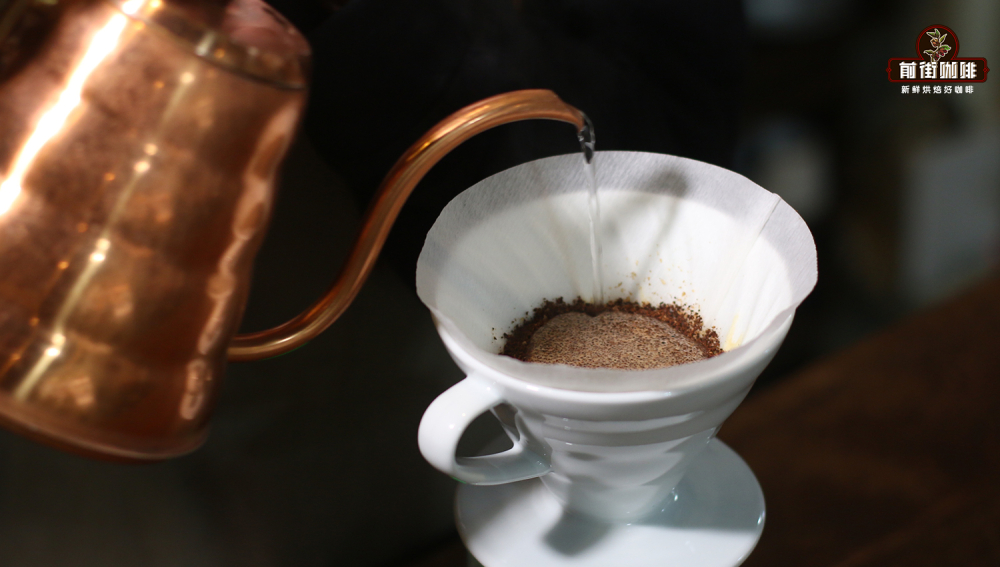
Single-Serve Pour-Over Coffee Method | What Is Gold Cup Extraction Yield? Which Brewing Technique Suits Coffee Beginners? Pros and Cons of the Drip Method, Volcano Pour, and One-Pour Technique
Front Street Coffee encounters customers asking about pour-over coffee every day, whether it's about what pouring technique should be used for pour-over coffee, or how much coffee grounds to use for pour-over coffee. In fact, with the development of coffee culture, more and more people no longer think of coffee as [more…]
Pour-over Coffee Single-Pour Technique Tutorial: A Complete Guide to Brewing Steps, Flavor Characteristics, and Grind Parameters
Among the many ways to brew pour-over coffee, the single-pour method is one of the first techniques many enthusiasts encounter and the easiest to understand. Its core logic is simple and clear—after the bloom, the entire target volume of water is poured in one go. That said, the single-pour method does not mean pouring water only once; the process still consists of two stages: the bloom and the main pour. Coffee brewed this way tends to be clean, clear, and consistent in flavor, but it also places stricter demands on pouring stability, grind size, and other parameters. In this article, from the perspective of a Front Street Coffee barista, we will break down the complete single-pour brewing process in detail, analyze its flavor performance and operational challenges, and help those just getting started quickly master this classic technique. [more…]
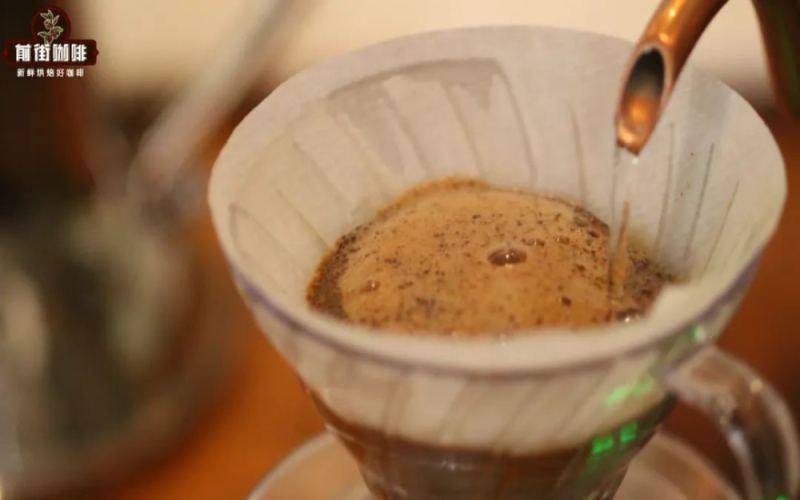
Pour-Over Coffee Fast Circular Water-Slinging Pouring Method: A Full Analysis of Its Advantages, Hidden Risks, and Suitable Bean Types
In the pouring techniques of hand-brewed coffee, the fast circular swirl pour is a controversial yet frequently seen aggressive method in competitions. It uses centrifugal force to fling the water outward, accelerating the tumbling of the coffee bed, thereby improving extraction efficiency and even helping to form a coffee wall that locks in flavor. However, this technique demands extremely high control from the operator; a slight mistake can lead to uneven extraction of the coffee bed and imbalanced flavor. Front Street Coffee will objectively analyze the pros and cons of the swirl pour in this article, and, in conjunction with coffee bean quality, roast level, and the differences between competition beans and everyday beans, explain why beginners are not advised to blindly imitate it. The article will also point out that the pouring technique is only one part of the brewing parameters and must be coordinated with grind size, water temperature, and other factors to be effective. [more…]
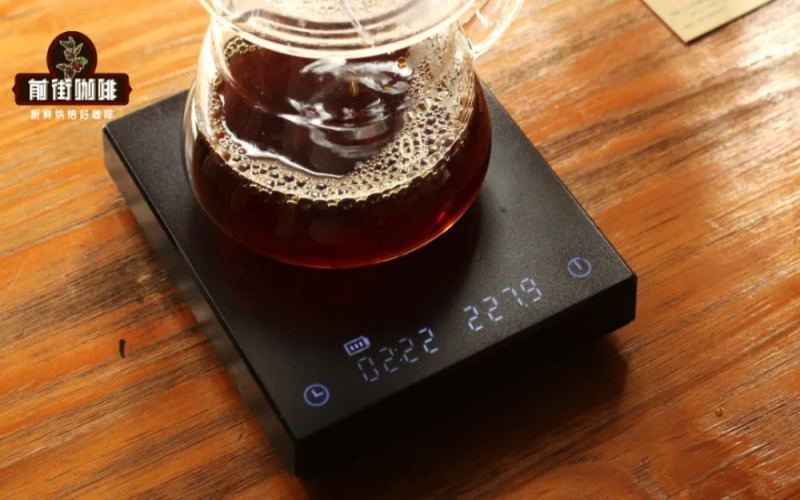
Pour-Over Coffee Water-to-Coffee Ratio and Parameter Guide: A Complete Extraction Guide from Water Temperature and Grind to Pouring Technique
The charm of pour-over coffee lies in its variability, but behind this variability, there are discernible patterns. Many enthusiasts follow tutorials to brew, yet the taste fluctuates—sometimes good, sometimes bad. The problem often lies in mastering the core parameters. Drawing from Front Street Coffee's production experience, this article systematically outlines the six major factors affecting pour-over flavor: water temperature, coffee-to-water ratio, grind size, pouring technique, time, and water quality. Among these, how to choose the water temperature range, how the coffee-to-water ratio balances extraction yield and concentration, why grind size is of utmost importance, and how to adapt pouring techniques on the fly are all broken down one by one with specific cases and recommended bean lists, helping you find consistent good taste amidst constantly changing parameters. [more…]
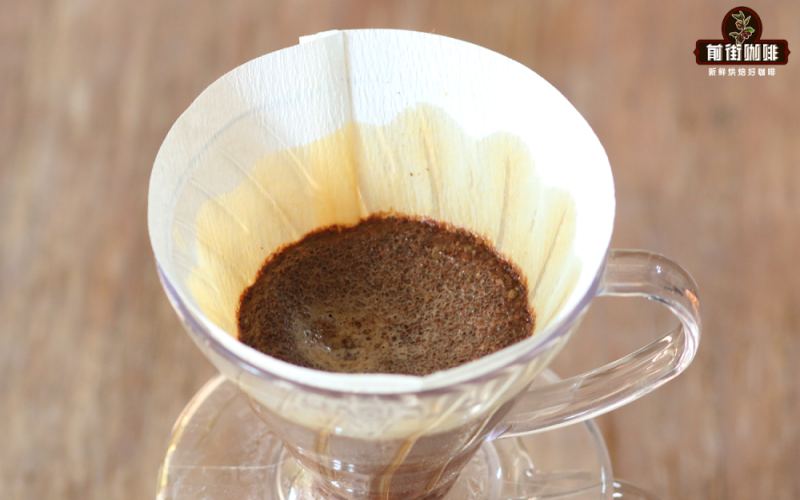
The Cause of the Central Collapse in the Coffee Bed After the Bloom in Pour-Over Brewing: The Combined Effect of Water Volume, Technique, and Grind Size
The blooming phase of pour-over coffee is often seen as the first dialogue with the coffee grounds, and an ideal expansion state often indicates a smooth subsequent extraction. However, sometimes the coffee bed clearly puffs up, only to have a pit form in the middle moments later—is this actually normal? This article analyzes this phenomenon, first explaining the physical mechanism behind expansion followed by collapse, and then investigating the causes one by one from three angles: water volume, pouring technique, and grind size. Front Street Coffee uses 15 grams of light-roast beans for simulation comparisons, showing the actual changes in the coffee bed under different parameters, to help you quickly identify problems in daily brewing, adjust your technique and parameters, and get the blooming state back on track. [more…]
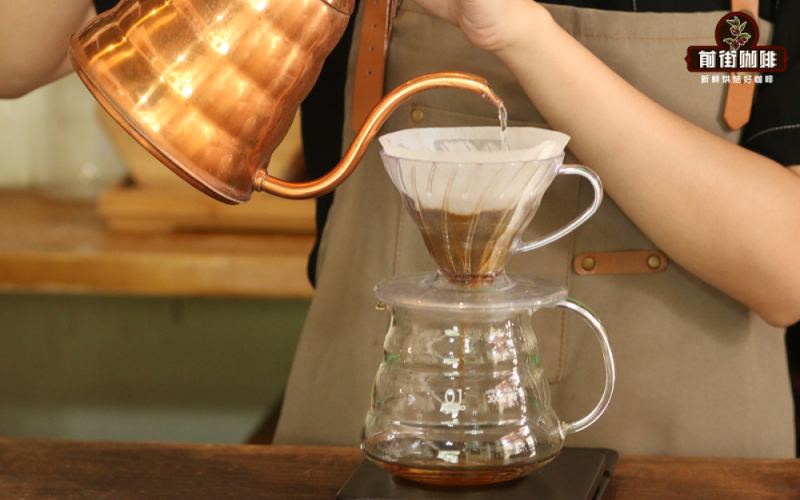
Coffee brewing technique tutorial | What are the technique and extraction principles of the three-pour method for pour-over coffee? Why is the hot water for brewing coffee divided into three pours?
Front Street Coffee (FrontStreet Coffee) entered the coffee industry in 2013, and has come step by step from coffee cultivation and coffee roasting to coffee service. Today, the more than 30 coffee beans displayed in the shop are only Front Street Coffee (FrontStreet Cof [more…]
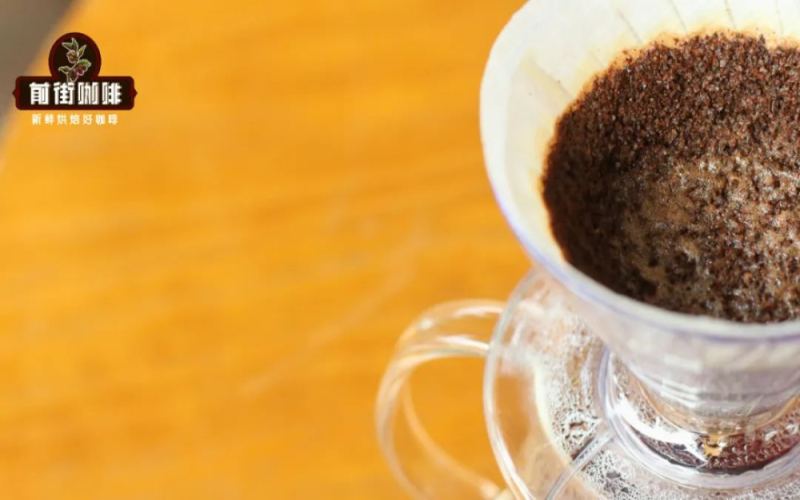
Why Does the Pour-Over Coffee Bed Crack into Two Segments? An Analysis of How Pouring Force and Spiral Pouring Technique Affect Extraction Uniformity
The shape of the coffee bed after a pour-over often reveals whether the pouring technique was appropriate. Some beginners find that after brewing, the coffee wall breaks into two sections, with a thin ring of coffee grounds in the middle dotted with small bubbles, some grounds sinking to the bottom, and the coffee tasting less than ideal. This usually happens because the water flow was too forceful during the final pour, breaking through the coffee wall built up earlier, so hot water runs straight down along the filter paper's ribs, creating channeling and causing uneven extraction. In addition, too wide a pouring circle can also let the water level rise above the coffee wall, leading to under-extraction and bitterness. This article will analyze the causes of these two types of coffee beds and, drawing on Front Street Coffee's usual three-stage method, explain how to master the basics of flow control by managing pouring height and circle size, so that the coffee grounds release their flavors evenly. [more…]
A Complete Analysis of Pour-Over Coffee Parameters: How Water Temperature, Coffee-to-Water Ratio, Grind Size, and Pouring Technique Affect Extraction
Many coffee enthusiasts encounter the same confusion when practicing pour-over: even when they follow the tutorials strictly, the taste comes out very different every time, and whether it is good or not seems to depend entirely on luck. The variables affecting pour-over coffee are indeed numerous—from water temperature, coffee-to-water ratio, and grind size to pouring technique, time, and water quality, each one can influence the final flavor in the cup. Based on Front Street's practical experience, this article will break down these six major elements one by one, helping readers understand which parameters truly determine the taste of coffee, which steps play a key role in extraction, and how to accurately identify the root of the problem when coffee goes wrong and flexibly adjust the brewing plan. [more…]
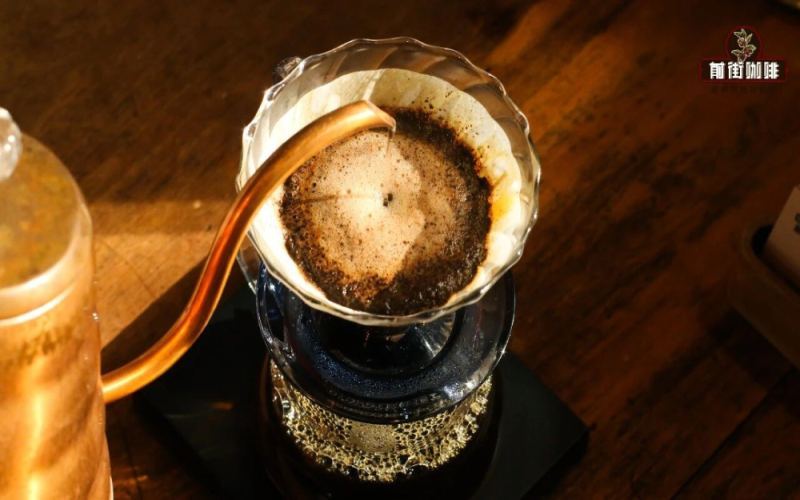
A Detailed Guide to the One-Pour Hand-Drip Coffee Method: Tetsu Kasuya's Simplified Pouring Technique and Front Street Coffee's Practical Parameters
Pour-over coffee techniques often intimidate beginners, requiring repeated practice to achieve consistent results. This article introduces a brewing method called "one-pour," publicly presented in 2019 by Tetsu Kasuya, the 2016 World Brewers Cup champion. Its core idea is to skip the bloom phase, pouring all the target water in a single large stream within 15 seconds, then letting the dripper complete the process through natural filtration. This method demands very little pouring skill and has low equipment requirements, yet yields coffee with lively flavors and rich fruity notes. Front Street will share improved parameters and flavor performance based on actual testing with the Hario Infinity dripper, making it a useful reference for coffee enthusiasts who want an easy introduction to pour-over brewing. [more…]
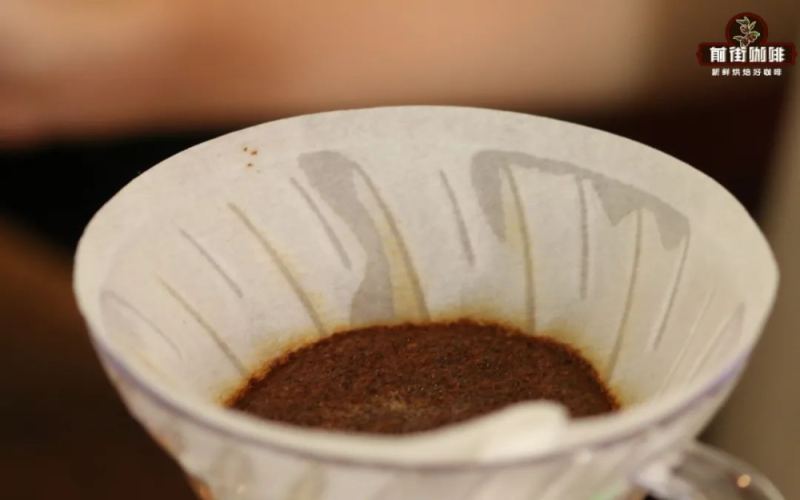
How to Control the Blooming Stage in Pour-Over Coffee? A Detailed Explanation of the Actual Impact of Water Volume, Duration, and Technique on Flavor
Blooming is a key step in pour-over coffee that affects extraction stability. By releasing carbon dioxide trapped in the coffee grounds, it creates the conditions for the smooth release of flavor compounds later on. But blooming is not absolutely necessary—the "one-pour" method previously shared by Front Street Coffee can skip this step entirely. So how exactly should you control the water amount, timing, and technique during blooming? Using 2x the coffee dose and 30 seconds as standard references, this article analyzes one by one the specific changes in coffee flavor when the water amount is too little or too much, and when the time is too short or too long, and offers pouring suggestions suitable for beginners to help you make more accurate judgments in actual practice. [more…]
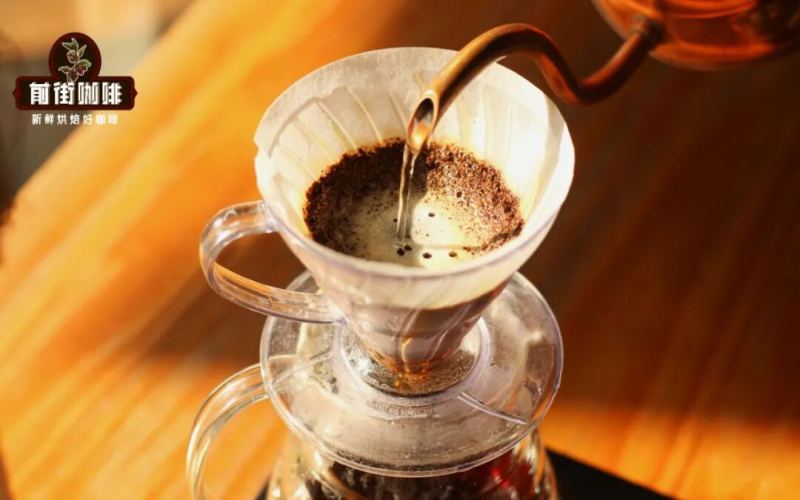
Pour-Over Coffee Brewing Methods | Does Multi-Stage Pouring Make Pour-Over Coffee Taste Better? How to Do Staged Pouring When Making Pour-Over Coffee?
In yesterday's post, Front Street mentioned that one of the advantages of pour-over coffee is its high level of controllability. During the brewing process, we can adjust the pouring method based on the actual situation, so that the coffee's flavor does not stray from being delicious. This statement is not unfounded; many techniques can help us do [more…]
A Complete Breakdown of Pour-Over Coffee Parameters: Water Temperature, Coffee-to-Water Ratio, Grind Size, and Pouring Technique—Which One Determines the Brewed Flavor?
Many friends who are just getting into pour-over coffee run into the same confusion: even when they follow the tutorial exactly, the cup tastes different every time, and whether it's good or not seems to come down to luck. There really are quite a few variables that affect pour-over coffee—among the six key elements of water temperature, coffee-to-water ratio, grind size, pouring technique, time, and water quality, which one actually plays the decisive role in the final flavor? Drawing on our daily production experience and experimental observations, Front Street breaks down the real impact of each of these parameters one by one, to help everyone clear up their thinking and find the right direction for adjusting the taste of their coffee. [more…]
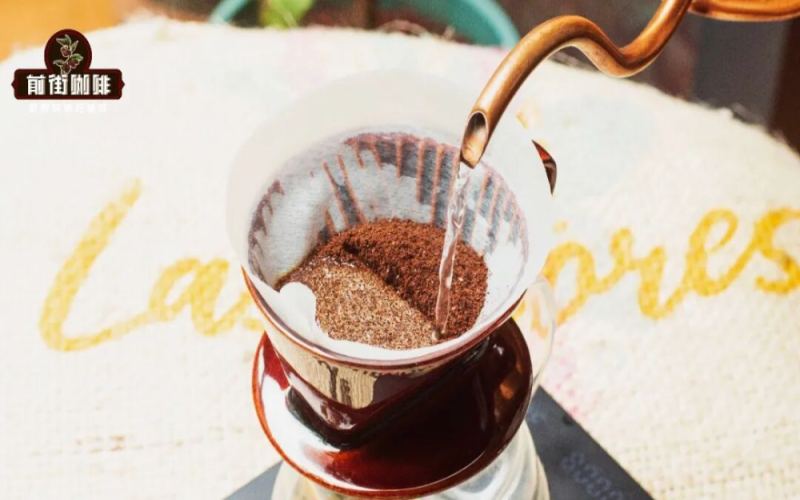
Pour-Over Beginner's Guide: Z-Pour One-Pour Technique Explained and Split-Extraction Parameters Fully Analyzed
For friends who are just getting into pour-over coffee, choosing a pouring method that is quick to learn and highly consistent is crucial. Recently, a brewing technique called the "Z-shaped one-pour method" has become popular in the coffee community. Because of its unique pouring path and simplified staging logic, it has attracted many enthusiasts to try it. Some believe it is easier to control than traditional circular pouring, while others find it quite difficult to execute and think its flavor performance is mediocre. This article takes Front Street Yirgacheffe Worka as an example and, based on Front Street's actual practice, breaks down in detail the pouring path, parameter settings, and key details of the Z-shaped one-pour method, and compares its flavor with the classic three-stage brewing, helping beginners fully understand the advantages, disadvantages, and scope of application of this technique. [more…]
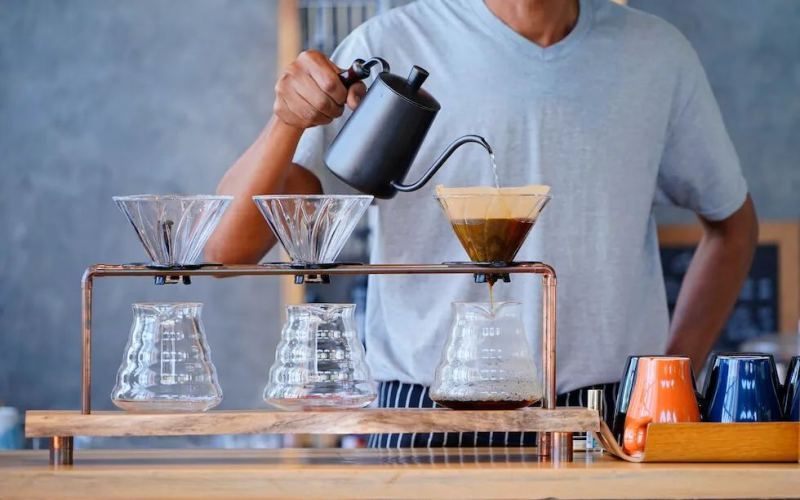
Why Does Pour-Over Coffee Use Circular Pouring? A Complete Analysis from Extraction Principles to Practical Technique
Many friends who are just getting into pour-over coffee are curious: why must you pour in circles when adding water? Can't you just pour water straight into the center? Behind this seemingly simple action lie two considerations: extraction efficiency and water flow stability. This article will analyze it from two angles—first explaining the role of agitation in improving extraction yield, then explaining why, among the many agitation methods, circular pouring is best suited to the pour-over scenario. It will also share practical pouring techniques recommended by Front Street Coffee, helping beginners effectively avoid turbulence, achieve even extraction, and reduce the chances of messing up. [more…]
What to Do If the Surface of Your Latte Art Isn't Clean? A Detailed Guide to Milk Pouring Technique and the Full Latte Art Process
Many coffee enthusiasts run into a common problem when practicing latte art: before the pattern even takes shape, the surface of the liquid has already turned murky. In fact, whether your latte art comes out clean and beautiful depends on whether you got the "incorporation" step right. This article starts with the finer details of incorporation technique, analyzes the common reasons why the surface turns muddy, and walks through the entire latte art process from steaming the milk to pouring the finished pattern. It also draws on the hands-on experience of Front Street Coffee to help you create latte art with clear patterns and sharp contrast, even at home. [more…]
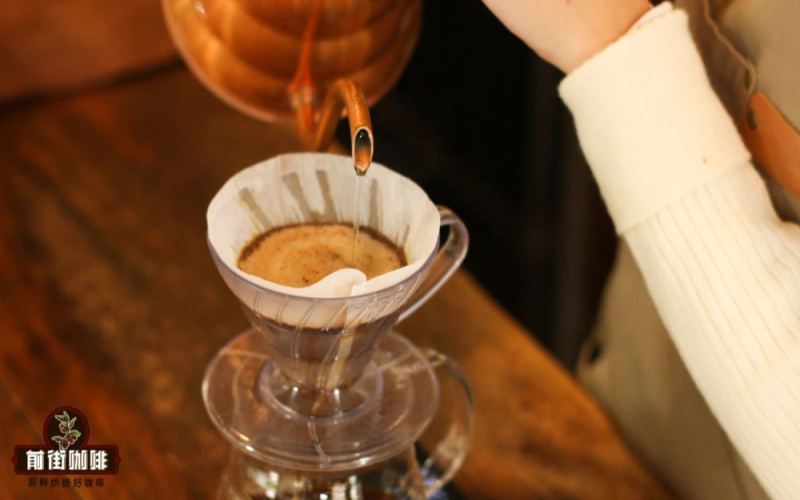
Advanced Guide to Pour-Over Coffee: The Practical Impact of Pouring Distribution and Technique Details on Flavor
Making pour-over at home, but the taste is still inconsistent even after you've dialed in your parameters? The problem often lies in "how you pour the water." This article breaks down the extraction differences between the one-pour method and the three-pour method from two dimensions—water distribution and pouring technique—and analyzes the actual effects of bloom water volume, circling speed, pouring height, flow rate, and circling range on flavor. It also includes complete brewing recipes for three highly distinctive single-origin coffees from Front Street Coffee—washed Yirgacheffe, Tarrazú, and Lintong Mandheling. Whether you're just starting out or looking to refine your technique, these details can help you find the direction for adjustment. [more…]